
What If We Treated Fish More Like Wine?
When we order wine, we ask so many questions: Where's it from? Who made it?
We celebrate the vineyard, the vintage, the story. We understand that a wine is a reflection of place in a bottle.
Seafood deserves the same curiosity. Yet we reduce it to a single species name on a menu: salmon, shrimp, tuna.
A wild-caught Pacific halibut from Alaska is fundamentally different from one off California's coast. An oyster from Maine tastes different than one from Washington's estuaries. The waters that produce our seafood are as distinct as any vineyard.
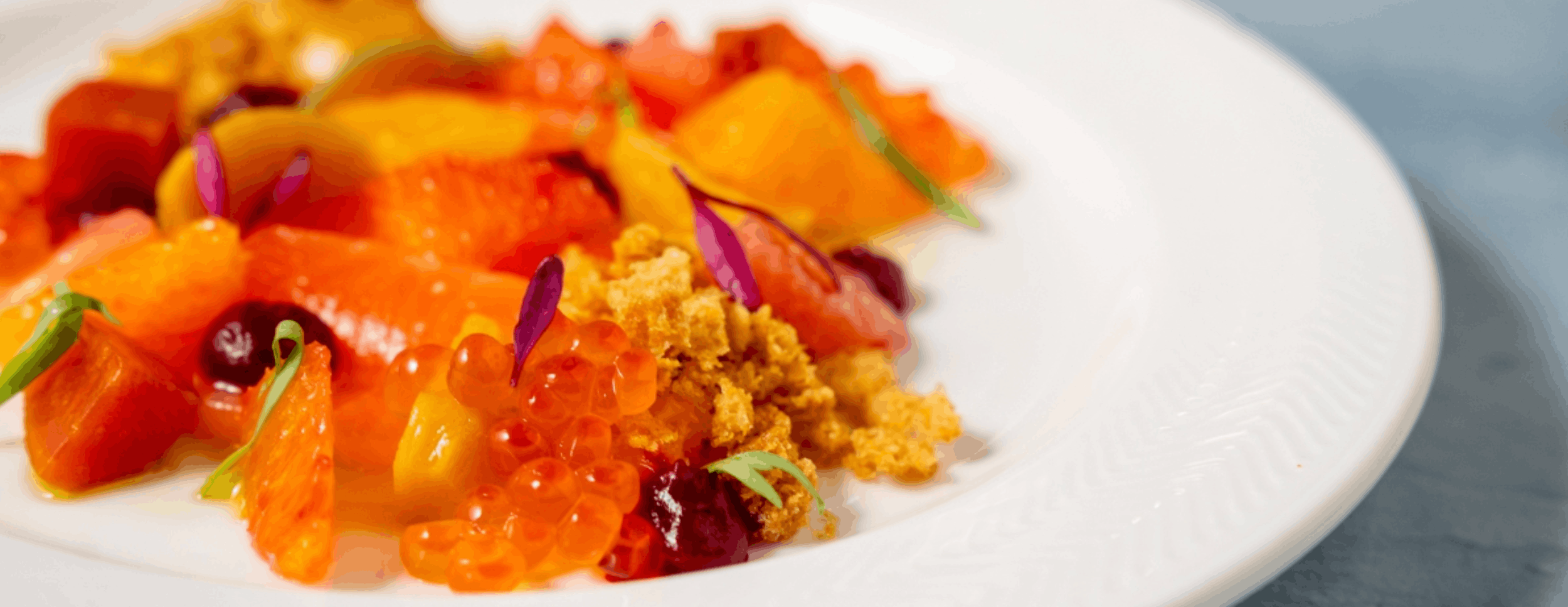
Photo by Briana Maria Photography | Courtesy of St. Supéry Estate Vineyards & Winery
Seafood Has Its Own Terroir
Wine lovers call it terroir—soil, climate, geography, human care. Seafood has its own version: the current, temperature, salinity, season, available feed, harvest methods, and the hands that bring it to market.
An oyster can taste briny, sweet, mineral-driven, or buttery depending on where it grew. Wild salmon varies by river, migration, season, and species. Farmed fish reflects the farmer's care, water quality, and feed.
Stories Belong on the Plate
For too long, the seafood conversation has been driven by what's easiest to categorize and sell. Think about it—you can name the brand of your favorite bread, wine, or ice cream and maybe even the story behind it. Not so with seafood.
But seafood can reach our tables with its story intact. When we know where it comes from, we can make more responsible choices. We can seek out producers who care for the waters they work in. We can support fishing communities building resilient food systems. We can ask whether a product was harvested responsibly and connected to a place worth protecting.
If you're a wine lover, you don't just buy a bottle. You often buy into a region, philosophy, family, and the tradition. You're curious about the person behind the label.
Seafood deserves that same curiosity.
What This Could Look Like
A menu that says "grilled salmon" could instead say: Wild sockeye from Bristol Bay, Alaska, harvested during the summer run by a family operation committed to protecting one of the world's great salmon ecosystems.
Shrimp could carry the same transparency: Raised in Ecuador's coastal aquaculture with traceable practices, careful water management, and a producer improving ecosystem health.
Suddenly, your seafood dinner becomes a story of water, work, culture, and place—one that helps you understand why one fish costs more, supports chefs in creating incredible seasonal menus, and gives grocers a way to connect their communities to seafood from waters and people worth supporting.
The Next Questions
At Fed by Blue, we believe the future of seafood should be traceable, seasonal, and tied to specific waters. It recognizes the fishers, farmers, processors, chefs, and communities that make it possible.
The next time you choose fish, ask:
Where did it come from?
Who raised or caught it?
What story does it carry?
When you treat fish more like wine, you elevate your relationship with our blue planet.
One way to start: Citrus Cured Salmon with Rye Crumble
This recipe is an invitation to slow down with your seafood and start to treat fish like wine in your kitchen. Choose salmon and get curious about its story. Cure it thoughtfully. Let the citrus and salt do their work, and enjoy it with a bottle of wine!
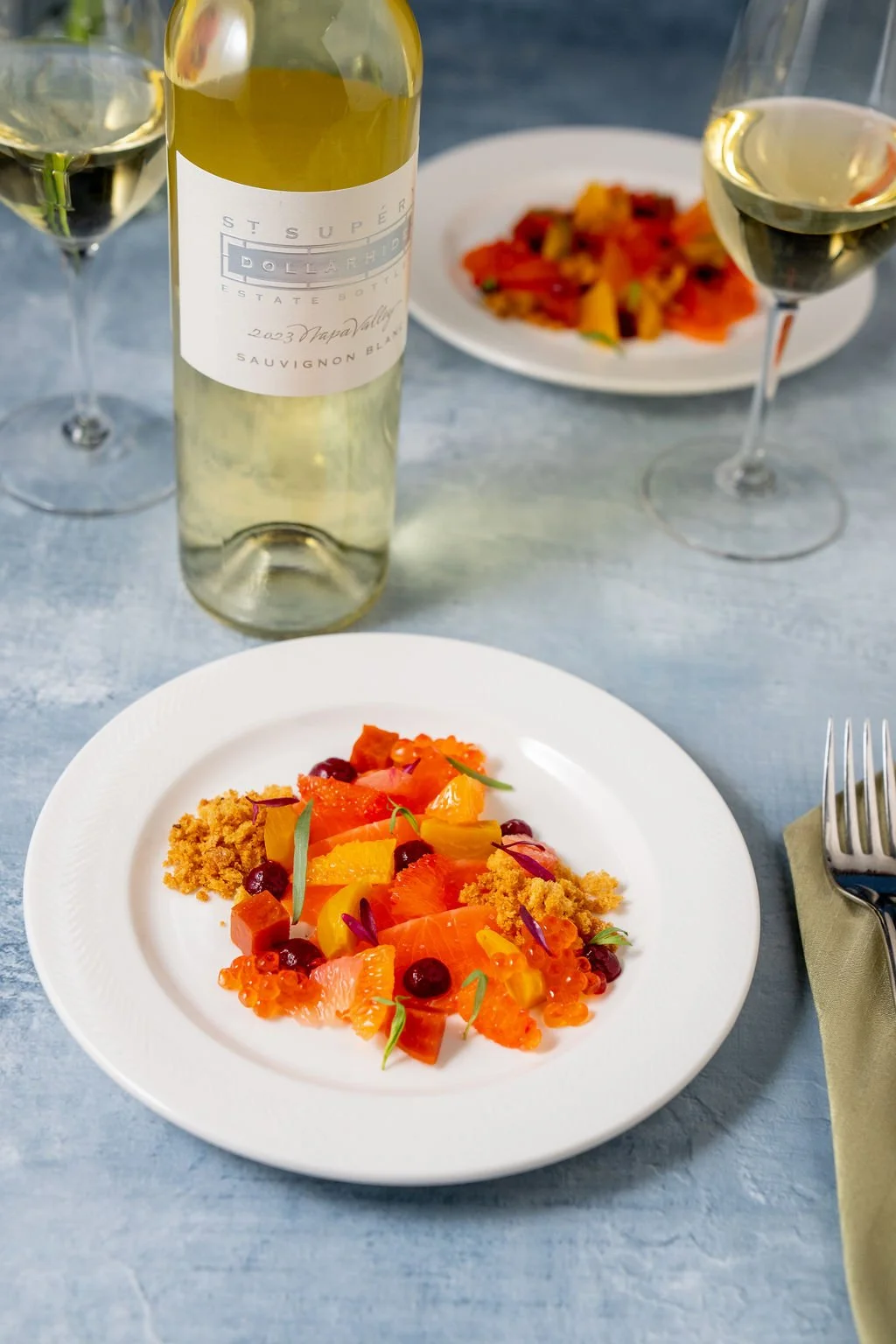
Photo by Briana Maria Photography | Courtesy of St. Supéry Estate Vineyards & Winery